


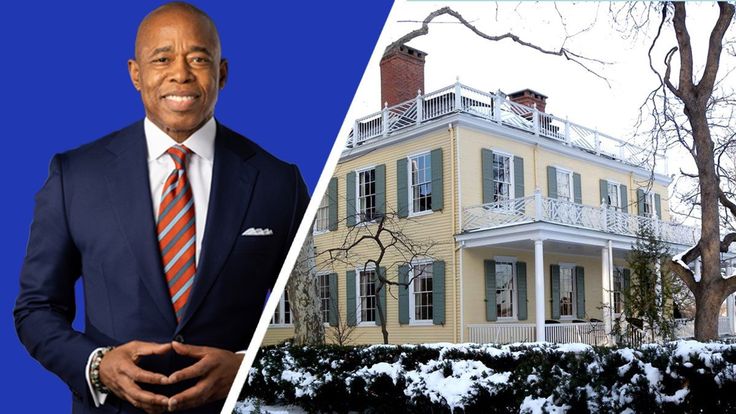
Introduction to Gracie Mansion
Nestled within the scenic surroundings of Carl Schurz Park, Gracie Mansion stands as one of New York City’s most treasured historic landmarks. Overlooking the East River and serving as the official residence of New York City’s mayor, this elegant home combines architectural beauty, political history, and cultural significance in a way few places can match. Built in 1799 by merchant Archibald Gracie, the mansion has witnessed more than two centuries of transformation, growth, and change within one of the world’s most influential cities. Today, it remains a symbol of New York’s rich heritage and civic identity.
For visitors interested in American history, architecture, or local government, Gracie Mansion offers a unique opportunity to step into a living piece of the city’s past. Unlike many historic homes that function solely as museums, Gracie Mansion continues to play an active role in public life. It hosts official events, welcomes dignitaries, and serves as a gathering place where history and modern governance intersect. This combination of historical significance and contemporary relevance makes it a fascinating destination for both tourists and locals seeking a deeper understanding of New York City.
Why This Landmark Matters
What makes Gracie Mansion especially remarkable is its ability to tell multiple stories at once. It reflects the life of early American merchants, the development of Manhattan, the evolution of city government, and the preservation of historic architecture. Visitors often describe the experience as stepping into a time capsule while remaining connected to the pulse of modern New York. The mansion is frequently referred to as New York City’s “Little White House,” highlighting its importance within the city’s political and cultural landscape.
The Fascinating History of Gracie Mansion
Origins in the Late 18th Century
Gracie Mansion was constructed in 1799 by Archibald Gracie, a successful Scottish-born merchant who sought a peaceful country retreat away from the busy streets of lower Manhattan. At the time, the area surrounding the mansion was largely rural and offered stunning views of the East River. The residence served as a fashionable gathering place for prominent figures of the era and reflected the prosperity and ambitions of New York’s growing merchant class.
The early years of the mansion coincided with a period when New York City was emerging as a major commercial center. Wealthy families often maintained country homes outside the crowded city center, and Gracie Mansion perfectly represented this trend. Despite financial difficulties experienced by Archibald Gracie following the War of 1812, the property survived and passed through several owners before becoming part of New York City’s public holdings in the late nineteenth century.
Transformation Into the Mayor’s Residence
The mansion’s journey to becoming the mayoral residence was far from straightforward. After the city acquired the property in 1896, it served various purposes, including use as public facilities, educational spaces, and even the home of the Museum of the City of New York. It wasn’t until 1942 that Mayor Fiorello H. La Guardia moved into the mansion, officially establishing it as the residence of New York City’s mayor.
Since then, most mayors have either lived in or used the mansion during their administration. The building has hosted countless political meetings, diplomatic receptions, cultural celebrations, and community events. Each administration has added its own chapter to the mansion’s evolving story while preserving its historic character for future generations.
Where Gracie Mansion Is Located
Situated on Manhattan’s Upper East Side, Gracie Mansion enjoys one of the most picturesque locations in New York City. The residence sits within Carl Schurz Park, offering breathtaking views of the East River and the Hell Gate waterway. Visitors often find that the journey to the mansion is almost as enjoyable as the destination itself, thanks to the park’s winding pathways, waterfront scenery, and tranquil atmosphere.

Exploring Carl Schurz Park
Carl Schurz Park serves as a green oasis amid the urban landscape of Manhattan. The park provides ample opportunities for walking, relaxing, and enjoying river views before or after visiting the mansion. Beautiful gardens, playgrounds, dog runs, and waterfront promenades create a welcoming environment for visitors of all ages. Many travelers combine their Gracie Mansion visit with time spent exploring the surrounding park, making it a rewarding half-day excursion.
Architectural Highlights
Federal-Style Design Features
One of the most captivating aspects of Gracie Mansion is its Federal-style architecture. Characterized by elegant symmetry, refined proportions, and understated decorative details, the Federal style was highly popular in the United States during the late eighteenth and early nineteenth centuries. The mansion’s exterior features clapboard siding, graceful columns, and large windows that allow natural light to flood the interior spaces.
Inside, visitors discover beautifully restored rooms that showcase period craftsmanship and historical authenticity. Rich woodwork, antique furnishings, decorative moldings, and carefully curated artwork help recreate the atmosphere of early American elegance. The mansion’s preservation efforts ensure that guests can appreciate both its original architectural features and its evolving role in city history.
The Susan E. Wagner Wing
In 1966, the mansion expanded with the addition of the Susan E. Wagner Wing. This modern extension was designed to accommodate official receptions, public events, and ceremonial functions while preserving the character of the original structure. The wing includes event spaces that have welcomed world leaders, cultural figures, and community organizations over the decades.
| Feature | Original Mansion | Susan E. Wagner Wing |
| Construction Date | 1799 | 1966 |
| Primary Purpose | Residential | Official Events |
| Architectural Style | Federal Style | Complementary Modern Design |
| Main Use Today | Historic Tours | Receptions and Gatherings |
What You Can Expect on a Tour
Historic Rooms and Collections
A Gracie Mansion tour offers visitors access to carefully preserved spaces that reveal different aspects of the building’s history. Depending on tour availability and current policies, guests typically explore first-floor rooms that showcase historic furnishings, portraits, decorative arts, and artifacts connected to New York City’s development. These rooms provide insight into how generations of residents and public officials have shaped the mansion’s identity.
Knowledgeable guides often share stories about former mayors, notable visitors, and important events that took place within the mansion’s walls. These narratives bring the residence to life and help visitors understand its significance beyond architecture alone. Walking through the rooms feels like moving through different chapters of New York City’s remarkable story.
Art, Furniture, and Decorative Elements
The mansion contains a rich collection of artwork and furnishings that celebrate New York’s artistic heritage. Paintings, decorative objects, and period furniture reflect both historical traditions and contemporary contributions. Curators have worked carefully to balance historical accuracy with the practical needs of a functioning official residence.
Visitor Information
Current Tour Availability
Prospective visitors should be aware that public tour schedules can change. According to the Gracie Mansion Conservancy, public tours are currently paused while new programming is being developed and administrative transitions are underway. Travelers planning a visit should check official announcements before making arrangements.
When tours are available, reservations are generally required in advance. Previous programs included guided tours on select days with specific age requirements and identification procedures for entry. Advance planning helps ensure a smooth and enjoyable experience.
Admission and Entry Requirements
Historically, visitors have been required to reserve tour spots ahead of time and present identification upon arrival. Security measures are understandable given the mansion’s ongoing governmental role. Requirements may vary depending on current administration policies and event schedules.
Best Time to Visit
Seasonal Experiences
Spring and fall are often considered ideal seasons for exploring the area surrounding Gracie Mansion. During these months, Carl Schurz Park showcases colorful landscapes, comfortable temperatures, and excellent opportunities for photography. The blooming gardens of spring and vibrant autumn foliage add an extra layer of beauty to the historic setting.
Summer offers longer daylight hours and lively park activity, while winter presents a quieter atmosphere that highlights the mansion’s timeless charm. Regardless of the season, visitors can enjoy spectacular East River views and a unique perspective on Manhattan’s history.
Photography and Visitor Rules
Photography policies have varied over time. Previous tour guidelines restricted photography in many areas of the mansion while permitting photos in designated spaces such as the Wagner Ballroom. Visitors should review current rules before arrival to avoid disappointment. Respect for the historic collections and the building’s active governmental function remains a priority during all tours.
Nearby Attractions Worth Exploring
Museums and Waterfront Walks
A visit to Gracie Mansion can easily be combined with other attractions on Manhattan’s Upper East Side. Nearby cultural destinations include the world-renowned Metropolitan Museum of Art, waterfront promenades, and charming neighborhood streets filled with local character. Visitors interested in architecture, history, and art will find no shortage of places to explore in the surrounding area.

The East River waterfront offers particularly memorable views, especially during sunrise and sunset. Walking paths provide opportunities to appreciate the city’s skyline while reflecting on the centuries of history connected to Gracie Mansion and the surrounding neighborhood.
Tips for First-Time Visitors
First-time visitors should plan ahead and verify current tour status before traveling. Comfortable walking shoes are recommended, as the surrounding park and neighborhood are best explored on foot. Bringing a camera for outdoor photography, allowing extra time for nearby attractions, and reading a bit about the mansion’s history beforehand can significantly enhance the overall experience.
Patience and flexibility are also helpful. Because Gracie Mansion serves both historical and governmental functions, access may occasionally be limited due to official events or administrative changes. Checking official updates before departure can help avoid surprises and ensure a rewarding visit.
Why Gracie Mansion Remains a Symbol of New York City
Few buildings capture the spirit of New York City quite like Gracie Mansion. It has survived wars, economic shifts, urban expansion, political transitions, and changing cultural trends while maintaining its essential identity. The mansion stands as a reminder that history is not confined to museums—it continues to shape the living city around us.
Its role as both a historic landmark and an active governmental residence creates a rare connection between past and present. Whether viewed as an architectural masterpiece, a political symbol, or a cultural treasure, Gracie Mansion remains one of Manhattan’s most fascinating destinations.
Conclusion
Gracie Mansion offers far more than a glimpse into New York City’s political life. It provides an immersive journey through over two centuries of history, architecture, and civic tradition. From its origins as a merchant’s country home in 1799 to its current role as the mayor’s official residence, the mansion has continuously evolved while preserving its historic character.
Visitors who take the time to explore Gracie Mansion and the surrounding Carl Schurz Park gain a deeper appreciation for New York City’s remarkable story. Whether you are passionate about history, architecture, public service, or simply discovering hidden gems, Gracie Mansion deserves a place on your travel itinerary.
FAQs
1. What is Gracie Mansion?
Gracie Mansion is the official residence of the Mayor of New York City and one of Manhattan’s oldest surviving wooden structures.
2. When was Gracie Mansion built?
The mansion was built in 1799 by merchant Archibald Gracie.
3. Are public tours currently available?
Public tours are currently paused while the Gracie Mansion Conservancy develops new programming. Visitors should check official updates before planning a visit.
4. Where is Gracie Mansion located?
It is located within Carl Schurz Park on Manhattan’s Upper East Side, overlooking the East River.
5. Why is Gracie Mansion important?
The mansion is historically significant for its architecture, its connection to New York City’s development, and its role as the mayoral residence since 1942.