


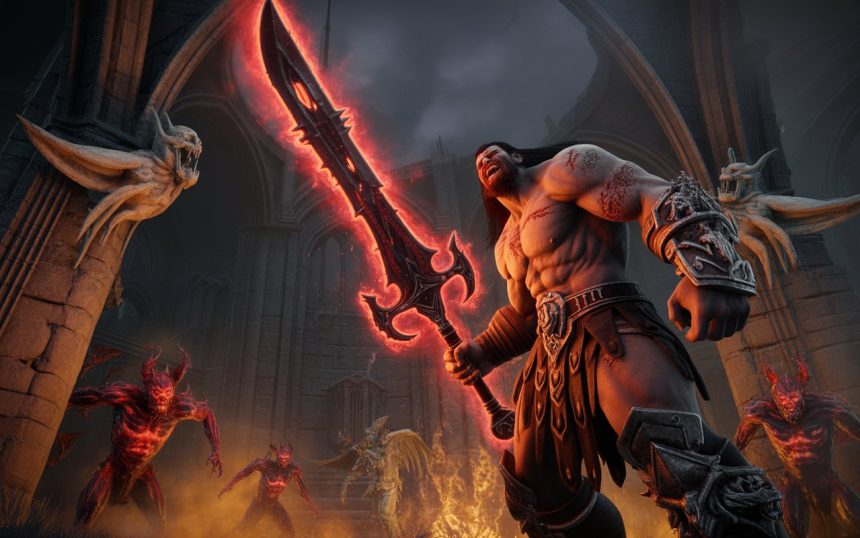
The world of action role-playing games has always attracted players who enjoy adventure, danger, and endless exploration. Among the biggest names in the genre, Diablo 4 stands out as a dark fantasy experience that combines brutal combat, haunting storytelling, and addictive progression systems. Whether you are a long-time fan of the series or someone curious about why this title became such a major talking point in gaming communities, understanding its gameplay reveals why millions of players continue to return to Sanctuary.
Unlike many modern games that rely heavily on flashy visuals alone, this title creates a complete experience where atmosphere, character growth, and strategic combat work together like gears in a giant machine. Every dungeon, every enemy, and every decision contributes to a world that feels alive and dangerous. The gameplay is not simply about defeating monsters; it is about survival, discovery, and becoming stronger through persistence.
The Dark and Immersive World of Sanctuary
One of the first things players notice is the incredibly detailed setting. Sanctuary is a grim, war-torn land filled with ruined villages, cursed forests, frozen mountains, and deserts crawling with danger. The environment itself almost feels like a character in the story. It whispers through eerie music, dim lighting, and disturbing architecture.
Exploration plays a major role in the gameplay loop. Instead of following a narrow path, players are encouraged to roam freely across large interconnected regions. Hidden caves, random events, side quests, and treasure-filled dungeons constantly reward curiosity. This open-world structure makes every session feel unpredictable.
The game also uses weather effects and day-night cycles to create tension. A peaceful trail can suddenly become terrifying when darkness falls and enemies emerge from the shadows. It is similar to walking through a storm where you know lightning may strike at any moment.
Character Classes and Their Unique Playstyles
A huge part of the gameplay experience comes from choosing a class. Each class offers a completely different way to approach combat and progression. Players can select from warriors, spellcasters, shape-shifters, and agile assassins depending on their preferred style.
Barbarian
The Barbarian thrives in close combat and uses brute force to overwhelm enemies. Heavy weapons, spinning attacks, and explosive damage make this class perfect for aggressive players who enjoy charging into battle without hesitation.
Sorcerer
The Sorcerer specializes in elemental magic such as fire, ice, and lightning. This class can wipe out large groups of enemies from a distance while controlling the battlefield through freezing or burning effects.
Rogue
Fast and precise, the Rogue combines ranged weapons with quick melee attacks. Stealth mechanics and mobility make this class feel dynamic and tactical.
Druid
The Druid has the ability to shape-shift into powerful beasts while also commanding nature magic. This flexible design allows players to mix defensive and offensive abilities creatively.
Necromancer
The Necromancer manipulates the dead by summoning skeletons and using dark curses. Watching an army of undead swarm enemies creates one of the most visually satisfying gameplay experiences in the game.
Every class feels distinct, which greatly improves replay value. Starting a new character often feels like stepping into an entirely different game.
Combat Mechanics That Keep Players Hooked
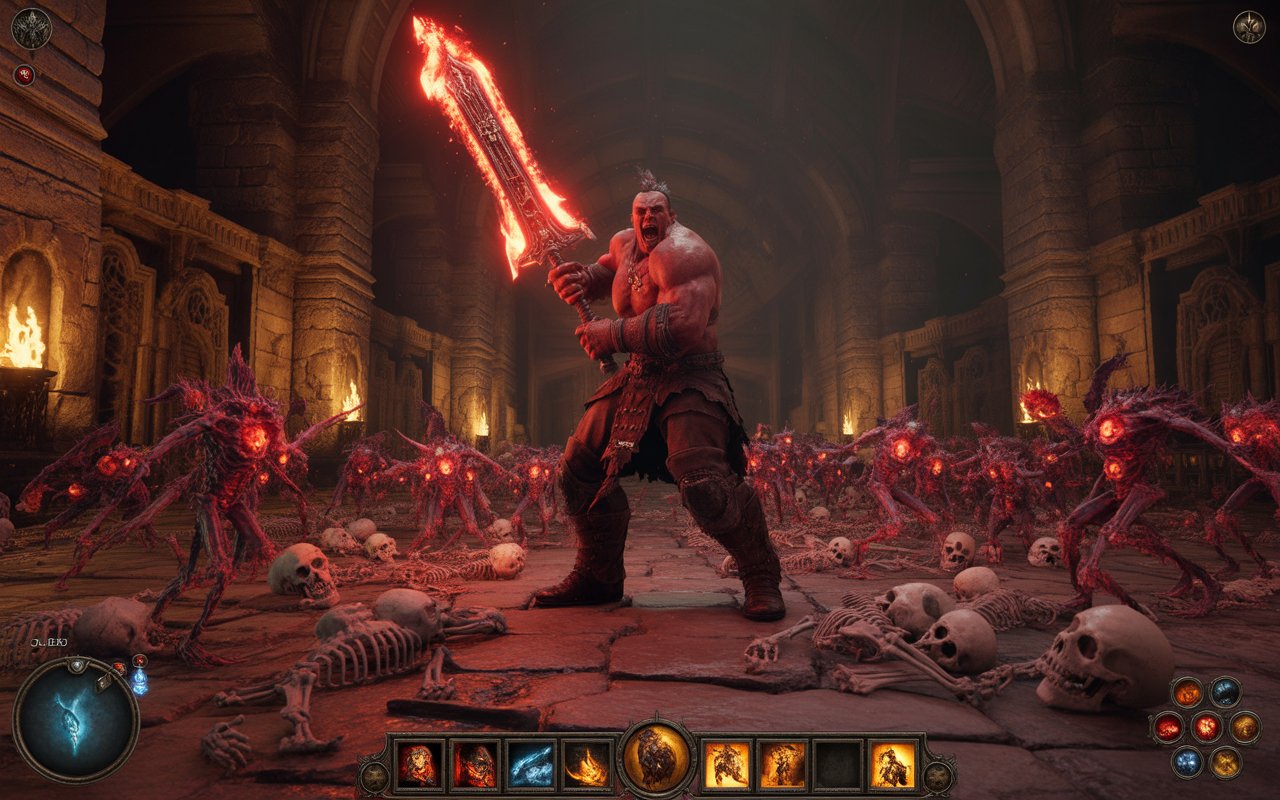
Combat is the beating heart of the experience. Battles are fast, intense, and highly responsive. Players constantly dodge attacks, manage cooldowns, and chain abilities together to survive.
Unlike slower role-playing games, the action here demands attention. Large enemy groups can overwhelm careless players within seconds. Boss fights especially require learning attack patterns and positioning carefully.
The combat system also rewards experimentation. Mixing abilities with gear bonuses creates unique combinations that change how a character performs. For example, a lightning-based spellcaster may transform into a freezing specialist depending on available equipment and skills.
Enemy variety also keeps encounters fresh. Demons, cultists, undead creatures, beasts, and giant monsters all behave differently. Some charge aggressively while others attack from a distance or use crowd-control effects.
Skill Trees and Character Progression
Progression is one of the strongest aspects of the gameplay design. As players level up, they unlock new abilities and passive bonuses through detailed skill trees. These systems allow deep customization without becoming overly complicated.
Instead of simply increasing numbers, players shape how their character functions. A single class can support multiple builds depending on skill choices. For example, one Barbarian may focus on bleeding enemies over time while another relies on massive burst damage.
Build Diversity
Experimentation becomes a major source of enjoyment. Players spend hours testing combinations of abilities, legendary effects, and passive traits to create efficient or creative builds.
Paragon System
After reaching higher levels, progression continues through an advanced board system that adds extra layers of specialization. This endgame mechanic gives players long-term goals beyond the main story.
The feeling of gradually becoming stronger is incredibly satisfying. Early enemies that once felt impossible eventually become effortless challenges, showcasing clear character growth.
Loot and Equipment Systems
Few games understand the excitement of loot as well as this franchise. Defeating enemies constantly rewards players with weapons, armor, gems, and magical items.
The loot system works like a treasure hunt where every glowing drop could completely change your build. Legendary and unique items often contain special effects that alter abilities dramatically.
For instance, an item may cause fire spells to spread explosively or allow summoned creatures to gain additional powers. These unexpected discoveries keep gameplay addictive because players never know what valuable reward might appear next.
Item Rarity
Equipment comes in different rarity tiers, ranging from common gear to highly sought-after unique items. The rarest equipment pieces often become the foundation of advanced builds.
Crafting and Upgrades
Players can enhance gear through crafting systems that improve statistics or add bonuses. This creates a balance between luck and strategy since even average items can become useful through upgrades.
The constant chase for better equipment fuels long-term engagement and gives players reasons to continue exploring difficult content.
Dungeons and World Events
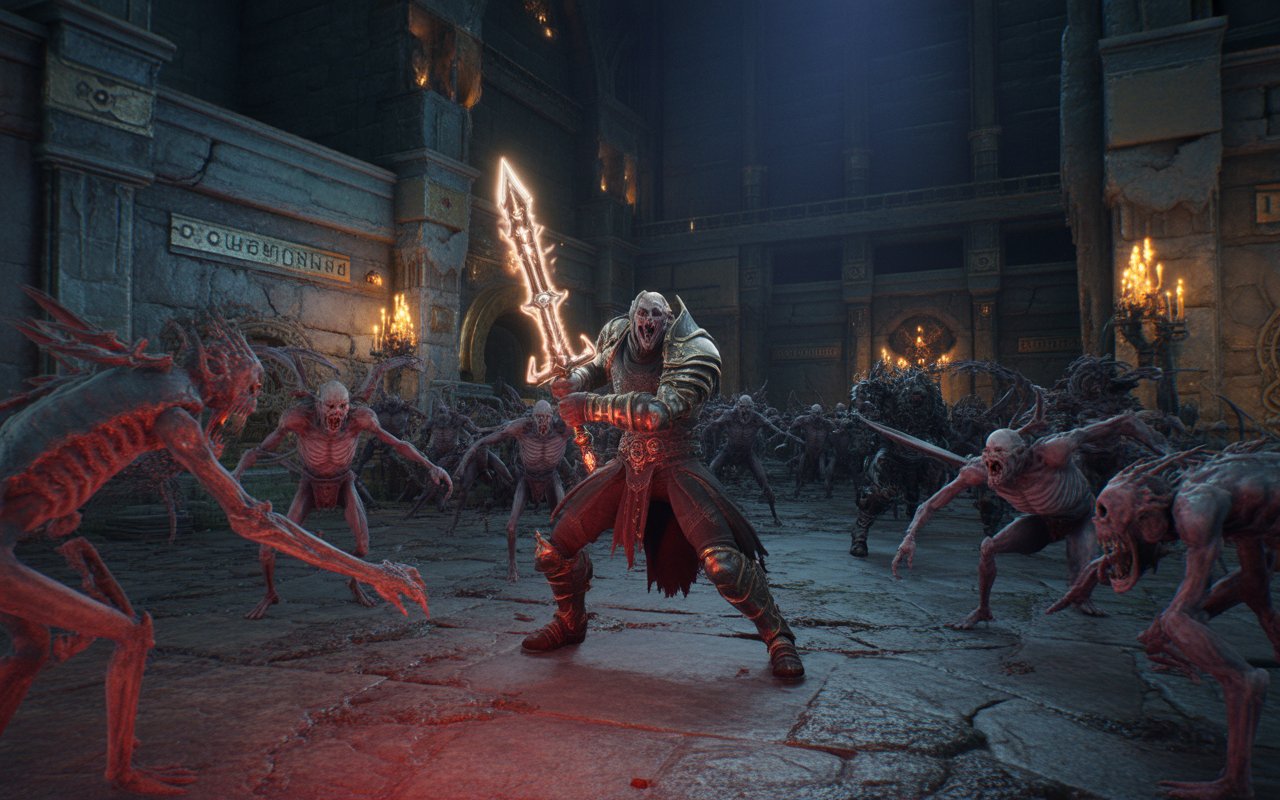
Dungeons are among the most important gameplay features. These dark underground areas contain traps, puzzles, elite enemies, and powerful bosses. Every dungeon has its own atmosphere and mechanics, making exploration exciting rather than repetitive.
Many dungeons reward players with special powers that permanently improve character options. This encourages players to travel across the world instead of staying in one area.
Dynamic Events
Open-world events create moments where strangers naturally work together. A demon invasion or giant monster attack may suddenly appear, gathering nearby players into chaotic battles filled with explosions and magic effects.
These events make the world feel active and unpredictable. Even after dozens of hours, players continue encountering new challenges.
Multiplayer and Cooperative Gameplay
Although the game can be played solo, multiplayer adds another layer of enjoyment. Friends can team up to clear dungeons, fight bosses, and complete events together.
Cooperative gameplay often feels rewarding because different classes complement one another. A defensive warrior protecting a fragile spellcaster creates teamwork that enhances strategy.
Shared World Design
Unlike older entries in the series, players occasionally encounter others while exploring. Seeing travelers ride through towns or assist during public events creates the feeling of a living online world.
Player Versus Player
Dedicated zones allow competitive combat between players. These dangerous regions add tension because valuable rewards can be lost during encounters with hostile opponents.
The multiplayer systems successfully balance solo freedom with social interaction.
Storytelling and Narrative Experience
Storytelling remains a major strength of the gameplay experience. The narrative explores themes of corruption, sacrifice, power, and survival within a brutal fantasy setting.
The return of Lilith, one of the franchise’s most iconic villains, drives much of the conflict. Her presence creates a sense of dread that hangs over the world like dark clouds before a storm.
Cutscenes are cinematic and emotionally engaging without interrupting gameplay too frequently. Side quests also contribute meaningful stories instead of feeling like filler content.
Many characters face moral dilemmas and tragic consequences, giving the world emotional depth beyond simple monster hunting.
Seasonal Content and Live Updates
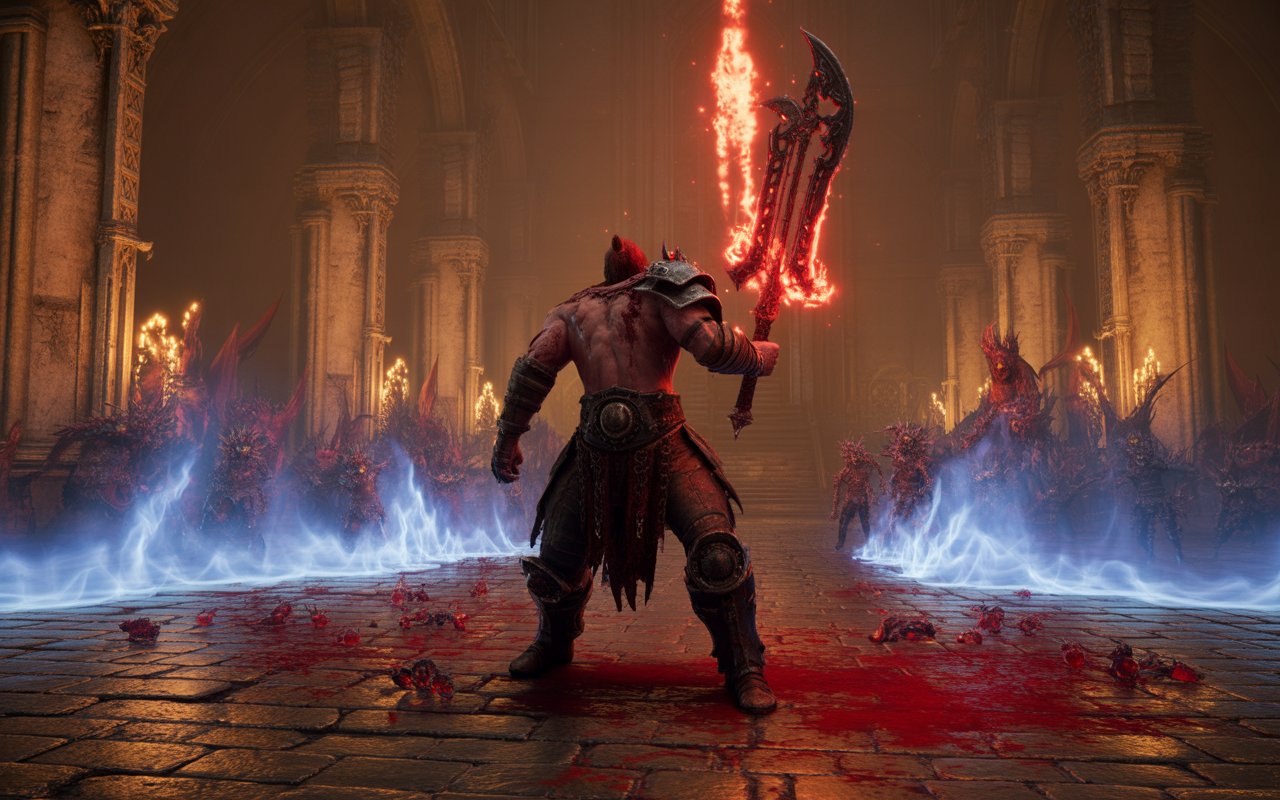
Modern online games often succeed or fail based on post-launch support. One reason the gameplay remains active is the introduction of seasonal content.
Every season introduces fresh mechanics, rewards, balance changes, and story elements. These updates encourage players to create new characters and experiment with different builds.
Battle Pass Systems
Cosmetic rewards provide customization options for armor, mounts, and weapons. While these additions are optional, they allow players to personalize their appearance.
Meta Changes
Balance updates regularly shift the popularity of builds and strategies. This prevents the experience from becoming stale because players constantly adapt to new possibilities.
The evolving structure helps maintain community interest over time.
Visual Design and Audio Atmosphere
The visual presentation deserves special attention because it heavily impacts gameplay immersion. The dark artistic direction returns the franchise to its horror-inspired roots.
Blood-soaked battlefields, decaying ruins, and grotesque monsters create a disturbing yet captivating aesthetic. Lighting effects and environmental details enhance every location dramatically.
Audio design also plays a huge role. Whispering voices, distant screams, and haunting musical tracks generate constant tension. Combat sounds feel powerful and satisfying, especially during large-scale battles.
Together, visuals and sound create an atmosphere that pulls players into the world completely.
Accessibility and Learning Curve
Despite its depth, the gameplay remains approachable for newcomers. Early tutorials explain mechanics gradually, allowing inexperienced players to learn comfortably.
Difficulty settings also help different audiences enjoy the experience. Casual players can focus on story and exploration, while hardcore players can challenge themselves with punishing modes where death carries severe consequences.
User Interface
Menus and inventory systems are relatively clean compared to many role-playing games. This simplicity helps prevent new players from feeling overwhelmed.
Cross-Platform Play
Players across different systems can join together, increasing accessibility and strengthening the online community.
The game succeeds in balancing complexity with user-friendly design.
Why Diablo 4 Gameplay Feels So Addictive
The gameplay loop works because it constantly rewards players psychologically. Every activity offers progression through experience points, loot, crafting materials, or story advancement.
It taps into the same feeling as climbing a mountain. Each step forward reveals another challenge waiting ahead, but the sense of achievement keeps pushing players onward.
The combination of combat, exploration, customization, and reward systems creates momentum that is difficult to walk away from. Even short sessions often turn into hours because there is always “one more dungeon” or “one more upgrade” to chase.
This balance between challenge and reward is what transforms the experience from a simple game into an obsession for many players.
FAQs
What type of game is Diablo 4?
It is an action role-playing game that combines fast-paced combat, character progression, loot collection, and open-world exploration in a dark fantasy setting.
Can Diablo 4 be played solo?
Yes, the entire experience can be enjoyed alone, although multiplayer options allow players to team up with friends or strangers for cooperative gameplay.
Which class is best for beginners?
The Barbarian and Sorcerer are often considered beginner-friendly because their playstyles are easier to understand and effective during early gameplay.
Does Diablo 4 have replay value?
Absolutely. Different classes, build customization, seasonal updates, and randomized loot systems encourage players to start new characters and continue exploring.
Is Diablo 4 more focused on story or combat?
The game balances both elements well. The story provides emotional depth and world-building, while combat remains the core gameplay experience that drives progression and excitement.
Conclusion
Diablo IV delivers a dark fantasy experience that blends intense combat, deep progression systems, immersive storytelling, and rewarding exploration into one cohesive adventure. Its gameplay succeeds because it appeals to different types of players simultaneously. Some enjoy the story, others chase powerful equipment, while competitive players focus on mastering builds and conquering difficult challenges.
The world of Sanctuary feels dangerous yet inviting, terrifying yet fascinating. From battling hordes of demons to experimenting with unique character builds, every moment contributes to a larger sense of progression and discovery. Whether played casually or competitively, the experience offers enough depth and replay value to keep players invested for countless hours.
For anyone interested in action role-playing games, this title stands as one of the strongest modern examples of how atmosphere, gameplay mechanics, and community-driven content can work together to create something memorable.