


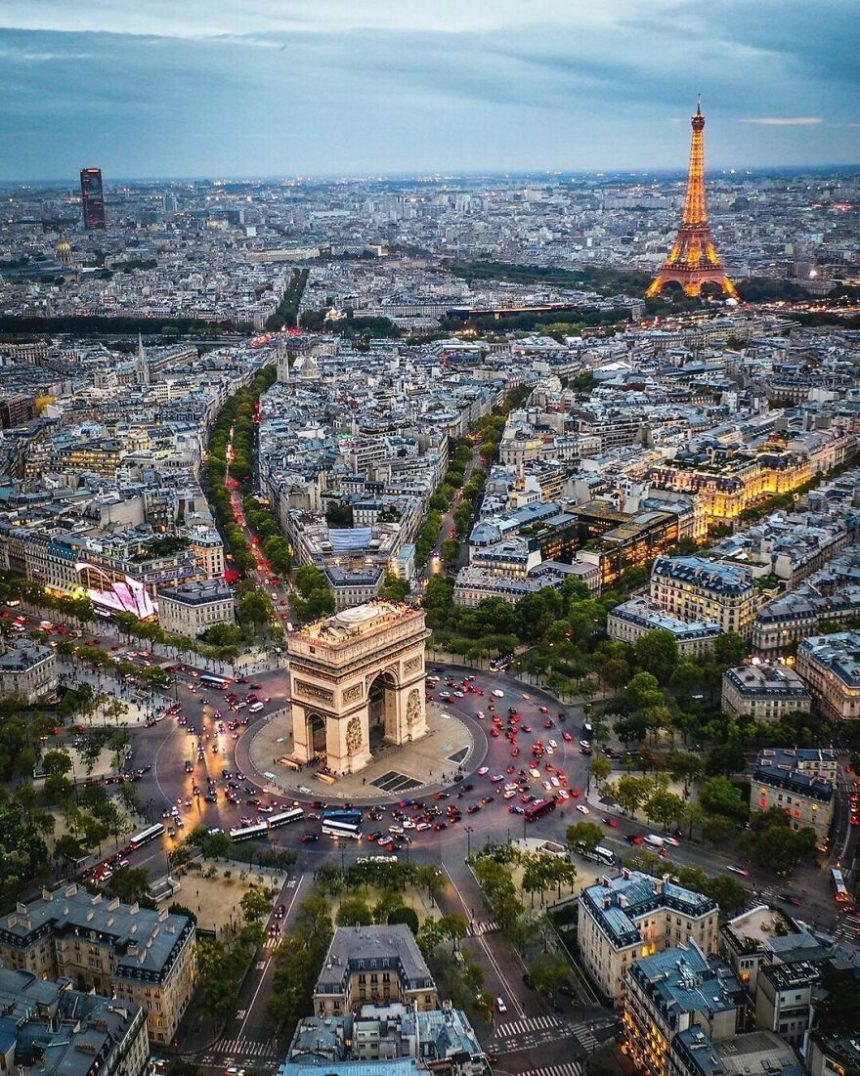
Introduction
Photographie de paysage, or landscape photography, is one of the most captivating forms of visual art. It allows photographers to showcase the beauty of nature, document extraordinary locations, and tell stories through powerful imagery. From towering mountain peaks and dramatic coastlines to serene lakes and endless deserts, landscape photography offers endless opportunities for creativity and exploration.
Many people begin their photography journey with landscapes because nature provides an abundance of inspiring subjects. However, capturing a breathtaking landscape photograph involves much more than simply pointing a camera at a beautiful scene. The most memorable images are often the result of careful planning, technical understanding, artistic vision, and patience.
Mastering landscape photography is a rewarding process that combines creativity with observation. By learning key techniques and understanding how to work with light, composition, and environmental conditions, photographers can transform ordinary outdoor scenes into stunning visual masterpieces.
Understanding the Power of Natural Light
Light is the most important element in any photograph, and landscape photography is no exception. The quality, direction, and color of light can completely change the mood and impact of an image. Learning how to recognize and utilize natural light effectively is one of the first steps toward creating breathtaking landscape photographs.
Many professional photographers prefer shooting during the golden hour, which occurs shortly after sunrise and just before sunset. During these times, the sun sits low on the horizon, producing soft, warm light that enhances colors and creates beautiful shadows. The golden glow adds depth and atmosphere, making landscapes appear more dramatic and visually appealing.
The blue hour is another favorite time for landscape photography. Occurring before sunrise and after sunset, this period offers cool tones and gentle illumination that can create calm, dreamy, and atmospheric images. Landscapes photographed during the blue hour often convey a sense of tranquility and mystery.
While midday lighting can be harsh due to strong sunlight and deep shadows, it can still be used creatively. Understanding how different lighting conditions affect a scene allows photographers to adapt and make the most of any environment.
Developing Strong Composition Skills
Composition is what transforms a simple photograph into a compelling visual story. A well-composed image guides the viewer’s eye, creates balance, and highlights the most important elements of the scene.

One of the most widely used compositional principles is the rule of thirds. By dividing the frame into nine equal sections and positioning key elements along the intersecting lines, photographers can create more dynamic and engaging images. This technique often results in a more natural and pleasing arrangement than placing everything directly in the center.
Leading lines are another powerful compositional tool. Roads, rivers, fences, trails, and shorelines can guide the viewer’s attention through the photograph and toward the main subject. These lines create a sense of movement and help establish depth within the image.
Foreground elements can significantly improve landscape compositions. Including rocks, flowers, trees, or other objects in the foreground creates layers within the scene and enhances the feeling of immersion. This added depth helps viewers feel connected to the landscape and gives the image a more three-dimensional appearance.
Choosing the Right Location
Location plays a major role in landscape photography success. While famous landmarks and national parks often attract photographers, breathtaking images can be found almost anywhere with careful observation and creativity.
Researching locations before visiting can help photographers identify interesting viewpoints, seasonal changes, and ideal shooting times. Maps, travel guides, and photography communities can provide valuable information about scenic locations and hidden gems.
However, successful landscape photography is not always Photographie about finding exotic destinations. Local parks, countryside roads, nearby lakes, and even urban green spaces can provide remarkable photographic opportunities. Developing the ability to see beauty in everyday surroundings often leads to unique and original images.
Exploring locations in advance allows photographers to understand the terrain, identify potential compositions, and prepare for changing weather and lighting conditions.
Mastering Camera Settings for Landscape Photography
Understanding camera settings is essential for achieving professional-quality landscape photographs. While automatic modes can produce acceptable results, manual control offers greater creative flexibility and consistency.
Aperture is particularly important in landscape photography. Most photographers use smaller apertures such as f/8, f/11, or f/16 to achieve a large depth of field. This ensures that both foreground and background elements remain sharp and detailed.
ISO should generally be kept as low as possible to preserve image quality and minimize digital noise. Lower ISO settings produce cleaner images and better color accuracy, especially in detailed landscape scenes.
Shutter speed can be adjusted depending on the desired effect. Fast shutter speeds freeze movement, while slower speeds can create artistic effects such as silky waterfalls, smooth ocean surfaces, and dramatic cloud streaks. Experimenting with shutter speed allows photographers to add creativity and motion to their landscapes.
Understanding how these settings work together gives photographers greater control over the final image and helps them achieve their artistic vision.
The Importance of Weather Conditions
Weather can dramatically influence the mood and character of a landscape photograph. While sunny days are often appealing, some of the most memorable images are captured under less predictable conditions.
Clouds add texture, depth, and visual interest to the sky. Dramatic storm clouds can create a powerful atmosphere, while soft clouds may contribute to a peaceful and balanced composition. A completely clear sky can sometimes appear flat and less engaging.
Fog introduces mystery and simplicity to landscapes. It can soften backgrounds, isolate subjects, and create dreamlike scenes that evoke emotion and intrigue.
Rain also presents unique opportunities. Wet surfaces often reflect light beautifully, and saturated colors become more vibrant after rainfall. Photographers who embrace changing weather conditions frequently discover scenes that others might overlook.
Rather than avoiding challenging weather, landscape photographers often learn to use it creatively to enhance the emotional impact of their images.
Using Filters to Enhance Landscape Images
Filters remain valuable tools in landscape photography, even in the digital age. They allow photographers to control light and improve image quality directly in the camera.

Neutral density filters reduce the amount of light entering the lens, enabling longer shutter speeds during bright conditions. This makes it possible to create smooth water effects and capture motion in clouds.
Polarizing filters help reduce glare and reflections while enhancing colors and contrast. They are especially useful when photographing water, foliage, and skies. A polarizing filter can deepen blue skies and make clouds stand out more prominently.
Graduated neutral density filters help balance exposure between bright skies and darker foregrounds. This is particularly useful during sunrise and sunset when lighting conditions can be highly contrasting.
Using filters thoughtfully can elevate landscape photographs and expand creative possibilities in the field.
Exploring Different Perspectives
One of the simplest ways to improve landscape photography is to experiment with perspective. Many beginners photograph scenes from eye level without considering alternative viewpoints.
Changing camera position can dramatically alter the composition and impact of an image. Shooting from a lower angle can emphasize foreground details and create a stronger sense of depth. Higher viewpoints may reveal patterns, textures, and relationships that are not visible from ground level.
Moving closer to a subject can create intimacy and focus, while stepping back may reveal a broader environmental context. Exploring different perspectives encourages creativity and often leads to more original photographs.
Taking time to walk around a location and evaluate multiple viewpoints can make a significant difference in the final result.
The Role of Patience and Timing
Patience is one of the most valuable qualities a landscape photographer can possess. Nature does not always cooperate immediately, and the perfect conditions may take time to develop.
Many extraordinary landscape photographs are the result of waiting for changing light, shifting clouds, or ideal weather conditions. A scene that appears ordinary at first can become spectacular moments later when the light transforms the landscape.
Timing is especially important during sunrise and sunset. Arriving early allows photographers to prepare equipment, scout compositions, and observe how the light evolves. Remaining after sunset can also reveal unexpected photographic opportunities during the blue hour.
Patience encourages careful observation and helps photographers capture moments that cannot be recreated.
Refining Images Through Post-Processing
Post-processing is an important part of modern landscape photography. Editing allows photographers to enhance their images and bring their creative vision to life while preserving the natural beauty of the scene.
Basic adjustments such as exposure correction, contrast enhancement, color balancing, and sharpening can significantly improve image quality. Editing can also help recover details in highlights and shadows that may have been difficult to capture perfectly in-camera.
The most effective edits are often subtle. Over-processing can result in unnatural colors, excessive contrast, and unrealistic appearances that distract from the landscape itself.
A thoughtful editing workflow helps photographers create polished, professional-looking images while maintaining authenticity.
Building a Personal Style
As photographers gain experience, they naturally begin developing a unique visual style. Some may gravitate toward dramatic mountain vistas and vibrant colors, while others prefer minimalist compositions and soft atmospheric conditions.
Developing a personal style involves experimentation, observation, and self-reflection. Studying the work of accomplished landscape photographers can provide inspiration, but true growth comes from discovering what resonates personally.
Consistency in composition, subject choice, and editing approach often contributes to a recognizable photographic identity. Over time, photographers learn to express their individual perspective through their images.
Creating a personal style transforms landscape photography from a technical exercise into a meaningful artistic pursuit.
Conclusion
Mastering photographie de paysage requires a combination of technical knowledge, creative vision, and a deep appreciation for the natural world. While beautiful landscapes provide the foundation, it is the photographer’s understanding of light, composition, timing, and storytelling that transforms a scene into a breathtaking image.
By learning to work with natural light, refining composition skills, mastering camera settings, embracing diverse weather conditions, and developing patience, photographers can consistently create stronger and more compelling landscape photographs. Thoughtful post-processing and a willingness to experiment further enhance creative possibilities.
The journey of landscape photography is one of continuous learning and discovery. Every sunrise, mountain trail, coastline, and forest offers a new opportunity to improve skills and capture the beauty of the world in a unique and meaningful way. With dedication and practice, photographers can turn ordinary outdoor scenes into extraordinary works of art that inspire and captivate viewers for years to come.