


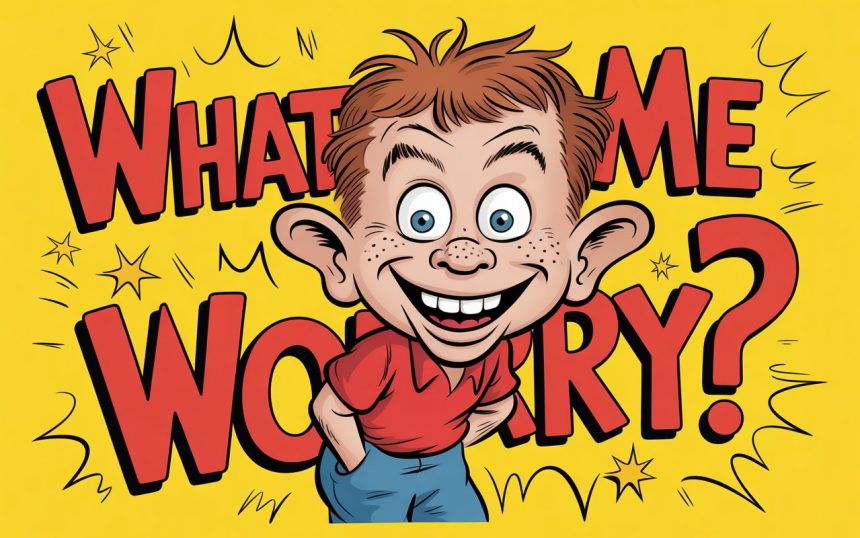
For decades, MAD Magazine has been a playground of humor, sarcasm, and unforgettable personalities. From goofy mascots to outrageous parodies, every mad magazine character brought something unique to the table. These characters weren’t just cartoons on paper—they became symbols of comedy, rebellion, and clever social commentary.
If you’ve ever flipped through the pages of MAD, you already know it felt less like a magazine and more like a comedy circus where no celebrity, politician, movie, or trend was safe. The characters were the heart of that chaos. Some were weird, some were hilarious, and others became pop culture legends.
In this article, we’ll explore the world of MAD Magazine characters, their origins, their cultural impact, and why people still remember them today.
The Origins of MAD Magazine
Before diving into specific personalities, it helps to understand where everything started. MAD Magazine first appeared in 1952, created by Harvey Kurtzman and published by DC Comics through its earlier comic division.
Originally, the publication was a comic book parodying superhero stories, crime tales, and television culture. But it quickly evolved into a magazine format that pushed creative boundaries. Unlike traditional comics, MAD used satire to poke fun at politics, advertising, celebrities, and everyday life.
The publication became famous because it dared to laugh at everything. In a world where many magazines took themselves seriously, MAD acted like the class clown who always had the smartest joke.
Alfred E. Neuman: The Face of MAD Magazine
No discussion about a mad magazine character is complete without mentioning Alfred E. Neuman.
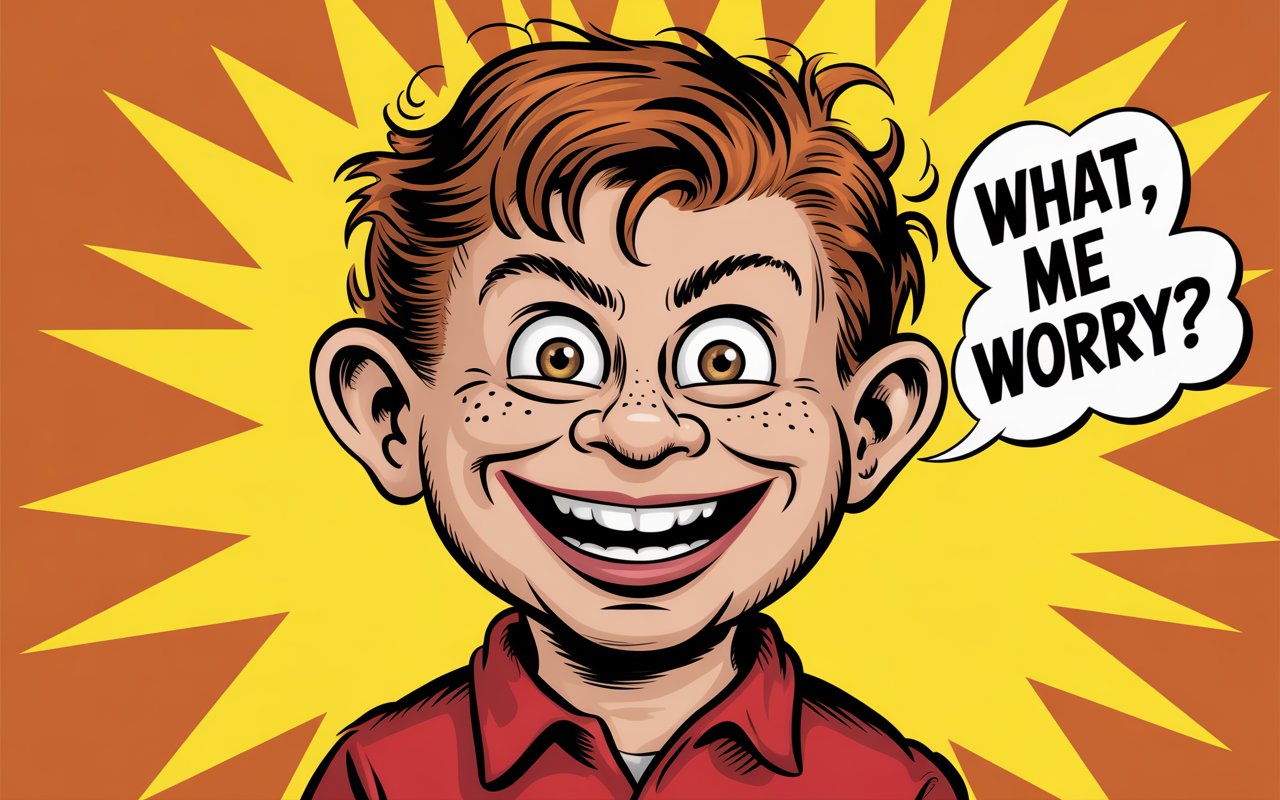
With his gap-toothed grin, messy red hair, and famous phrase, “What, me worry?With his unforgettable grin and quirky charm, Alfred quickly evolved into the magazine’s instantly recognizable symbol of humor and satire. His face appeared on countless covers and instantly became recognizable across America.
Why Alfred Became So Popular
Alfred represented carefree humor during stressful times. Whether the world was dealing with politics, economic problems, or social tension, Alfred’s expression basically said, “Relax—it’s all ridiculous anyway.”
Readers connected with that attitude. He wasn’t handsome, smart-looking, or heroic. In fact, he looked completely goofy. Yet that was exactly the point.
Like a court jester in a royal palace, Alfred used humor to expose the absurdity of society.
The Evolution of Alfred’s Appearance
Over the years, Alfred’s design changed slightly, but the core image remained the same. Artists updated his hairstyle, expressions, and outfits depending on the topic being parodied.
Sometimes he dressed as movie characters. Other times he appeared as politicians or celebrities. But no matter the costume, readers could always recognize him immediately.
Spy vs. Spy: Silent Comedy at Its Best
Another iconic creation was Spy vs. Spy by Cuban artist Antonio Prohías.
This black-and-white comic strip featured two spies constantly trying to outsmart and destroy each other. One wore white, the other black, and neither ever truly won.
Why Readers Loved Spy vs. Spy
The humor worked without long conversations or complicated explanations. Most strips relied on visual comedy and clever traps.
One spy might plant a bomb in a mailbox while the other prepares an even bigger trick in return. It became a never-ending battle of revenge.
The comic felt like a cartoon version of the Cold War, where two opposing sides endlessly competed without real victory.
The Timeless Appeal of Visual Humor
Even readers who didn’t understand English could enjoy Spy vs. Spy. The storytelling depended on actions instead of words.
That universal style helped the comic gain international popularity. It also inspired television adaptations, video games, and merchandise.
Don Martin’s Wild and Wacky Characters
Don Martin created some of the strangest and funniest figures in MAD Magazine history.
His artwork featured exaggerated noses, floppy feet, bizarre sound effects, and awkward body movements. Every character seemed to move like rubber.
The Unique Style of Don Martin
Martin’s humor felt unpredictable. A simple scene—like opening a door or walking downstairs—could turn into complete chaos.
His famous sound effects became legendary. Instead of normal comic noises, readers saw strange words like “FLOMP,” “SPROING,” or “GLAB!”
Those weird details gave his characters a personality unlike anything else in comics.
Why His Humor Still Works Today
Modern comedy often depends on sarcasm or internet references, but Don Martin’s style remains funny because it focuses on human awkwardness.
Everyone has experienced embarrassment, accidents, or clumsy moments. Martin exaggerated those situations into absurd masterpieces.
Movie and Celebrity Parodies
One major reason people loved MAD Magazine was its hilarious parody characters based on famous movies and celebrities.
The magazine transformed actors, singers, and fictional heroes into exaggerated comic versions of themselves.
Famous Film Spoofs
Popular movies like Star Wars, Titanic, and Harry Potter and the Sorcerer’s Stone all received the MAD treatment.
Characters were drawn with ridiculous facial expressions, silly dialogue, and exaggerated storylines.
These parodies worked because readers recognized the original material immediately.
Celebrity Humor and Satire
Musicians, athletes, and political leaders were frequent targets too. MAD exaggerated their habits, scandals, and public behavior in ways mainstream magazines rarely dared to attempt.
The humor was sharp, but it also encouraged readers to think critically about fame and media culture.
The Artists Who Created the Madness
Behind every memorable mad magazine character stood talented artists and writers.
Some of the most influential contributors included:
- Mort Drucker
- Al Jaffee
- Sergio Aragonés
- Jack Davis
Each artist brought a different comedic style to the magazine.
Mort Drucker’s Realistic Caricatures
Drucker became famous for drawing movie stars with incredible detail. His caricatures looked both realistic and hilarious at the same time.
Readers could instantly identify celebrities from just one exaggerated facial feature.
Sergio Aragonés and Marginal Humor
Aragonés filled the page borders with tiny joke cartoons called “marginals.”
These miniature characters often became just as entertaining as the main stories.
His quick visual gags rewarded readers who paid close attention.
How MAD Magazine Characters Reflected Society
The characters in MAD weren’t just funny—they mirrored society’s fears, trends, and habits.
They mocked:
- Consumer culture
- Political scandals
- Television addiction
- Fashion crazes
- Advertising tricks
Humor as Social Commentary
Comedy can sometimes reveal truth more effectively than serious discussion. MAD Magazine understood this perfectly.
By exaggerating reality, its characters exposed hypocrisy and cultural absurdities.
Think of it like holding a funhouse mirror in front of society. The reflection looks ridiculous, but you still recognize yourself in it.
The Influence on Modern Comedy
Many comedians, writers, and television creators grew up reading MAD Magazine.
Shows like The Simpsons, Saturday Night Live, and South Park share the same spirit of satire and fearless humor.
Inspiring Generations of Creators
Famous entertainers have openly praised MAD for shaping their comedic style.
The magazine taught readers to question authority, laugh at trends, and avoid taking public figures too seriously.
That influence still appears in internet memes, parody videos, and late-night comedy shows today.
The Decline of Print and Changing Media
Like many print publications, MAD Magazine eventually faced challenges in the digital era.
The rise of online humor, social media, and fast-moving internet culture changed how people consumed comedy.
Why Print Satire Struggled
In earlier decades, readers waited eagerly for the next issue. Today, jokes spread instantly online.
Websites, YouTube creators, and social platforms now produce satire at lightning speed.
As a result, magazines had difficulty competing with free digital entertainment.
The Legacy Remains Strong
Even though the publication changed over time, its characters remain iconic.
Vintage issues are highly collectible, and fans continue discussing classic comics online.
The influence of MAD never truly disappeared—it simply evolved into new forms of humor.
Collecting MAD Magazine Memorabilia
Fans still enjoy collecting classic issues, posters, figurines, and merchandise related to famous MAD characters.
Popular Collector Items
Collectors often search for:
- Early Alfred E. Neuman covers
- Vintage comic issues
- Spy vs. Spy merchandise
- Original artwork
- Rare parody editions
Some rare copies have become valuable collectibles over the years.
Why Nostalgia Matters
For many readers, MAD Magazine represents childhood memories.
Opening an old issue can feel like stepping into a time machine filled with jokes, creativity, and rebellious humor.
That emotional connection keeps the fan community alive.
Why MAD Magazine Characters Still Matter
Even in today’s digital world, the best mad magazine character creations continue to resonate with audiences.
Why? Because the core themes remain timeless.
People still laugh at:
- Political drama
- Celebrity culture
- Advertising tricks
- Social trends
- Human stupidity
The magazine’s humor reminds us not to take everything so seriously.
Satire in the Modern Age
Modern satire exists everywhere now—from memes to comedy sketches—but MAD Magazine helped build the foundation for that culture.
Its characters proved that comedy can entertain while also encouraging critical thinking.
That combination is surprisingly powerful.
The Cultural Legacy of MAD Magazine
Few humor publications have achieved the same cultural impact as MAD.
Its characters became symbols of free expression, creativity, and fearless comedy.
More Than Just Cartoons
These weren’t merely drawings on paper. They represented a style of thinking—skeptical, playful, and independent.
Readers learned to question advertisements, political speeches, and media hype.
In many ways, MAD taught generations how to recognize absurdity in everyday life.
Why Future Generations May Rediscover It
Classic humor often returns in cycles. As younger audiences explore older comics and satire, many may discover MAD Magazine for the first time.
And once they meet Alfred E. Neuman or read Spy vs. Spy, they’ll probably understand why these characters became legends.
FAQs
What is the most famous MAD Magazine character?
The most famous character is Alfred E. Neuman, known for his gap-toothed smile and the phrase “What, me worry?”
Who created Spy vs. Spy?
Spy vs. Spy was created by Antonio Prohías, a Cuban cartoonist who introduced the comic in 1961.
Why was MAD Magazine so popular?
The magazine became popular because it combined satire, parody, and fearless humor while mocking movies, politics, celebrities, and modern culture.
Are MAD Magazine characters still relevant today?
Yes. Their humor and social commentary still influence television shows, internet memes, and modern comedy writers.
Can you still buy MAD Magazine?
Yes, collectors can find old issues online, in comic shops, and through auction websites. Special editions and reprints are also available from time to time.
Conclusion
The world of mad magazine character history is filled with unforgettable humor, artistic creativity, and cultural influence. From the goofy charm of Alfred E. Neuman to the clever battles of Spy vs. Spy, these characters helped redefine comedy for generations.
What made them special wasn’t just their appearance or jokes—it was their ability to challenge society while making readers laugh. MAD Magazine turned satire into an art form and proved that humor can be both entertaining and insightful.
Even today, its influence continues through television, internet culture, and modern parody. The magazine may have changed over time, but its legendary characters still remind us of one important truth: sometimes the funniest way to understand the world is to laugh at it.



